Citations
AI Citation Tracking: Find the Pages Models Rely On
Artificial intelligence models like ChatGPT, Claude, Gemini, Perplexity, and Google AI are reshaping how we access and digest information. Unlike…
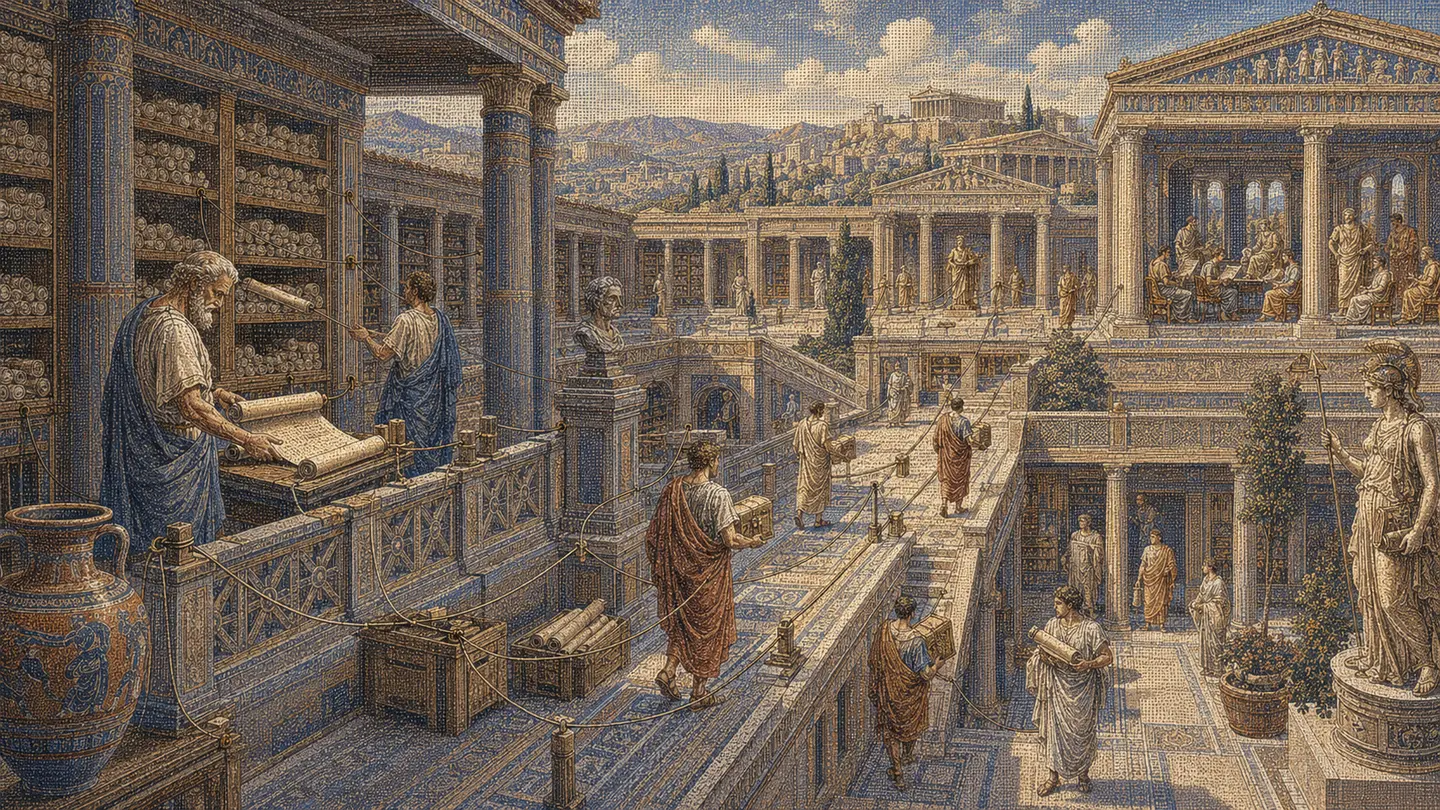
Artificial intelligence models like ChatGPT, Claude, Gemini, Perplexity, and Google AI are reshaping how we access and digest information. Unlike traditional search engines, these models synthesize responses from large datasets, combining knowledge into fluent narratives. But a needed question lingers: where do these answers come from? What sources do these models pull upon, and how can we track their digital footprints?
Grasp the citation patterns and source visibility within these AI systems sheds light on how knowledge is constructed in AI-generated responses. This editorial investigates AI citation tracking—not as a matter of SEO trickery, but as a view into the AI knowledge ecosystem. We’ll review real examples, offer actionable frameworks, and untangle how to pinpoint the pages forming AI-generated findings.
What Does AI Citation Tracking Mean?
Citation tracking in the AI context refers to identifying the online pages, documents, or datasets that contribute content or influence answers from generative models. Unlike a traditional academic paper, AI answers rarely come with explicit footnotes. Instead, models pull on a mixture of internet text, licensed data, and selected corpora.
Tracking citations involves reverse engineering AI outputs, analyzing references provided (if any), observing response patterns across platforms, and employing tools that map connections between AI answers and source URLs. This is particularly useful for fact-checking, content strategy, or grasp the shifting AI knowledge graph.
Visibility of Citations in ChatGPT Responses
OpenAI’s ChatGPT, as of early 2024, does not natively link back to external URLs in most public-facing versions. However, ChatGPT’s training data includes a large range of internet text, licensed content, and publicly available datasets.
A worth noting observation: ChatGPT sometimes paraphrases or directly quotes well-known facts or widely accepted data points but generally doesn’t specify sources unless prompted explicitly. With the ChatGPT Plus or enterprise features integrating web browsing or plugins, URL citations appear but remain optional and context-dependent.
Example: Query: *“Explain the condition benefits of turmeric.”* ChatGPT might answer with a summary of curcumin’s anti-inflammatory properties but omit exact source links unless instructed: *“Please provide sources.”* Then, it might respond with a list referencing scientific journals like *PubMed* or condition sites including *WebMD*, though without precise URL tags.
Claude’s Approach to Source Transparency
Claude (from Anthropic) emphasizes safety and user clarity. Its responses sometimes include citations or references when the prompt requests, but the default interaction typically provides synthesized text without direct links.
Example: Prompt: *“What are recent breakthroughs in renewable energy technology?”* Claude might mention breakthroughs like perovskite solar cells or green hydrogen but will attribute these in narrative form: *“According to a 2023 study in Nature Energy…”* without a direct link.
Gemini’s Emerging Citation Characteristics
Google’s Gemini, designed to conversational AI with integrated web knowledge, presents a hybrid model. Early trials show it tends to blend generated answers with source snippets, sometimes quoting web pages or articles.
Gemini often provides attributions in the form of cited domain names or excerpts from authoritative sites, making it easier to identify the backing source material.
Example: Question: *“What is the history of the Silk Road?”* Gemini’s answer may include: *“As documented on Britannica.com, the Silk Road was a network of trade routes dating back to the Han Dynasty…”* This approach adds a layer of transparency, although precise URLs might still be omitted.
Perplexity AI’s Direct Citation Model
Perplexity AI stands out for its focus on source citation. It regularly includes clickable URLs directly in its conversational responses. This makes tracking sources plain, facilitating content verification and closer research.
Example: Input: *“Summarize the impact of conditions shift on coral reefs.”* Perplexity answers with a summary and footnotes including: *“According to NOAA (https://oceanservice.noaa.gov/...), coral bleaching events have increased due to rising sea temperatures.”*
This practice helps users trace claims back to original pages, strengthening trust and usability.
Google AI Answers: Integrating Knowledge Panels and Featured Snippets
Google’s AI efforts often connect search engine features like Knowledge Panels, featured snippets, and People Also Ask boxes. These elements offer visible citations, usually displaying site names and sometimes direct links.
When Google AI generates answers within search interfaces, it aggregates information from top-ranking pages and shows them prominently, including the source domain or snippet link, providing a transparent citation path.
Example: Query: *“Who won the Nobel Peace Prize in 2023?”* Google AI presents a brief answer followed by a link to the official Nobel Prize website or credible news outlets, clearly marking where the data comes from.
Practical Methods to Track AI Citations
Tracking citations involves combining AI output analysis with external verification tools and techniques:
- Prompt for Sources: Directly ask the AI to list sources or references in its response.
- Use Citation-Friendly Models: Opt for platforms like Perplexity that embed URLs natively.
- Compare Cross-Model Responses: Query multiple AIs with identical prompts and identify recurring sources or domains.
- Leverage Reverse Search Tools: Input AI-generated excerpts into search engines to find original pages.
- Monitor Mentioned Entities: Track author names, study titles, or publication names referenced by the AI.
Concrete Examples of Citation Patterns Across Models
| AI Model | Citation Style | Source Visibility | Example Query | Citation Example |
|---|---|---|---|---|
| ChatGPT | Rare direct URLs; narrative refs | Low (unless prompted) | “Condition benefits of turmeric” | “Studies published in scientific journals…” |
| Claude | Narrative mentions, no URLs | Low | “Renewable energy breakthroughs” | “A 2023 study in Nature Energy…” |
| Gemini | Domain mentions, occasional quotes | Medium | “History of Silk Road” | “As documented on Britannica.com…” |
| Perplexity AI | Clickable URLs included | High | “Conditions shift impact on reefs” | “NOAA (https://oceanservice.noaa.gov/...)” |
| Google AI | Knowledge panel links, snippets | High | “Nobel Peace Prize 2023 winner” | Official Nobel Prize website linked |
Checklist for Monitoring and Utilizing AI Citations
| Task | Description | Tools / Tips |
|---|---|---|
| Request citations explicitly | Ask AI to list or link sources | Use prompts like “Please list your sources” |
| Cross-verify answers with search engines | Search AI-quoted phrases to find original pages | Google, Bing, specialized databases |
| Utilize citation-detailed AI platforms | Prefer Perplexity or Google AI for transparent sources | Evaluate AI platform updates regularly |
| Track recurring domains and authors | Identify patterns in frequently referenced sites/authors | Manual analysis or automated monitoring |
| Analyze quote accuracy and context | Verify how accurately AI excerpts match the source content | Use plagiarism checkers or manual review |
Frequently asked questions
Clear answers for the decisions that tend to come up next.
01Q1: Can I rely solely on AI for accurate citations?+
AI-generated citations can guide initial research but should be verified independently. Models may generalize or omit main details, so cross-checking with original sources remains needed.
02Q2: Why don’t all AI models include direct URLs?+
Citation styles vary due to training data, design priorities, and safety protocols. Some models focus on conversational fluency over explicit referencing, while others emphasize transparency.
03Q3: How can content creators benefit from grasp AI citation patterns?+
Knowing which sources AI models frequently reference can inform content strategy, show authority sites, and identify opportunities to contribute knowledge within AI ecosystems.
04Q4: Will future AI models provide more transparent citations?+
Trends suggest increasing demand for source attribution. Hybrid models combining synthesis with explicit citations are emerging, promising more traceable AI-generated knowledge.
Continue reading